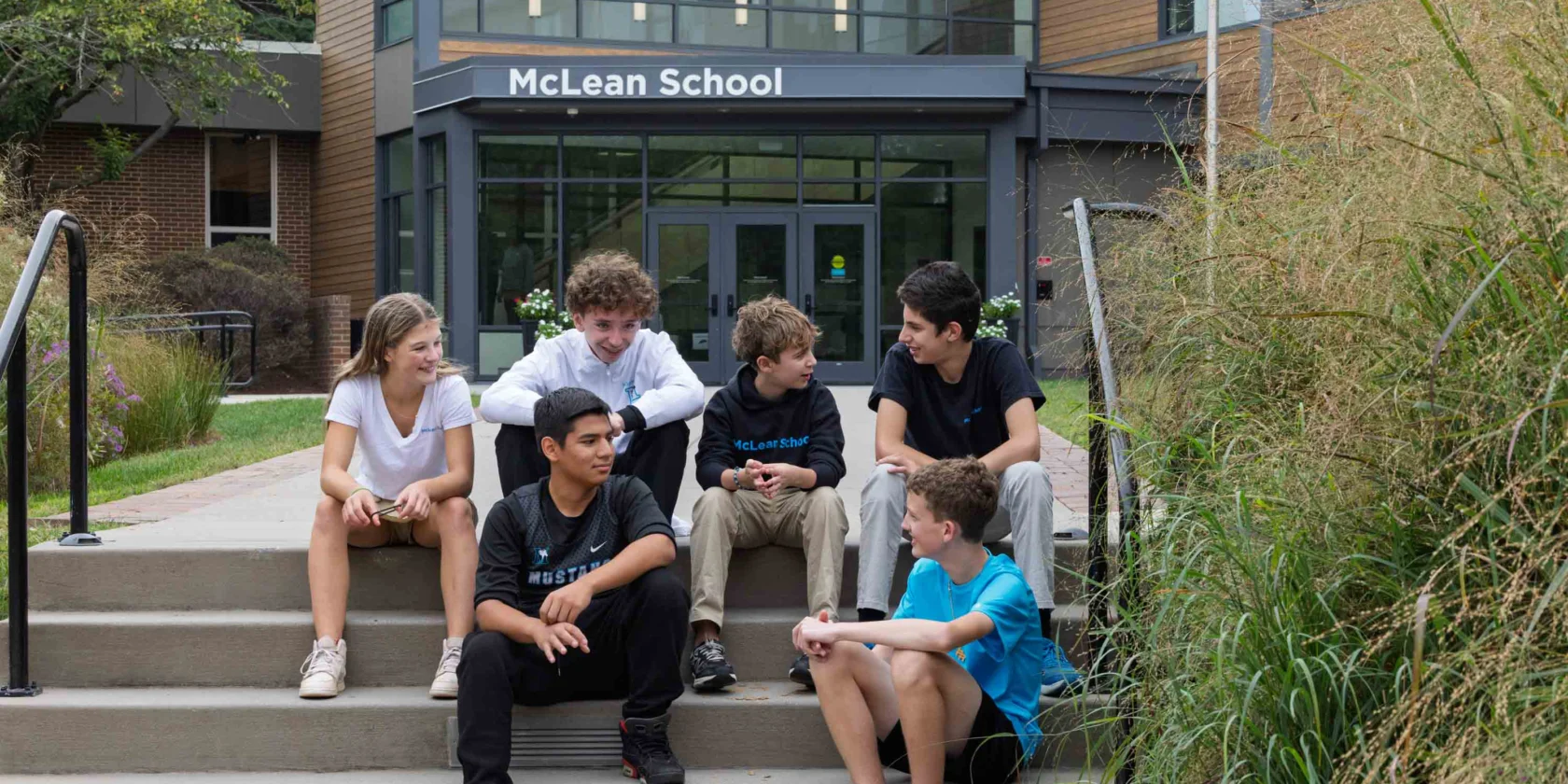
Community & Wellness
A thriving community is the foundation of learning success.
We are committed to building a space where students have the expectations, language, and skills to navigate issues related to sense of self, friendship, stress management, and their overall place in our community and greater world.
When we talk about our commitment to the whole child, what does that mean? It means we believe there’s more to a great education than rich academics alone, which is why we’ve made wellness, and well-roundedness, a priority.
We’ve long appreciated that the stressors students experience at school can be obstacles to their success, so it is our mission to integrate initiatives that support the mind, body, and what it means to be a good human.
Culture of Inclusion & Belonging
Our community thrives when every member understands, supports, and honors the same set of expectations guided by our Core Values.
All of our efforts—Facing History and Ourselves Community Matters, Owning Up, and other curricula rooted in Responsive Classroom and Restorative Practices—emphasize diversity, respect, and responsibility, and engage faculty as well as students and their families to create a culture we can all feel good about.
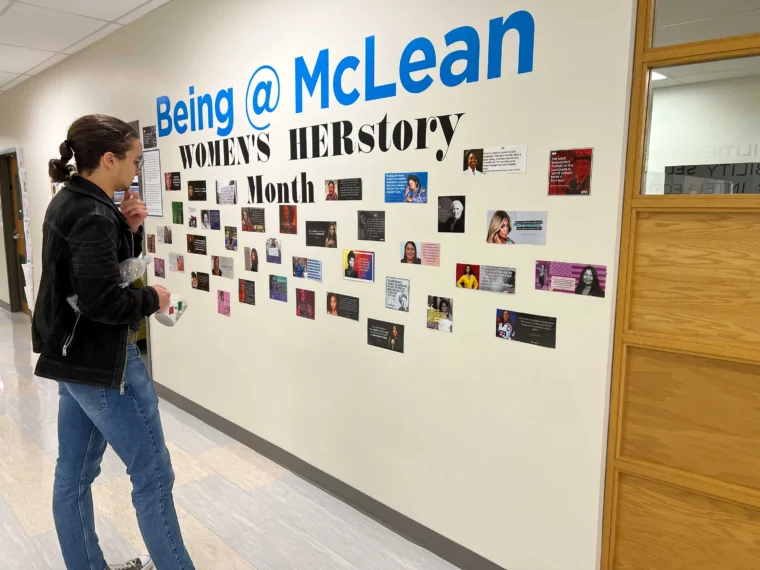
Service Learning
Service Learning goes beyond volunteering to create awareness, belonging, perspective, and an understanding of the world and its challenges that can’t be taught in a classroom.
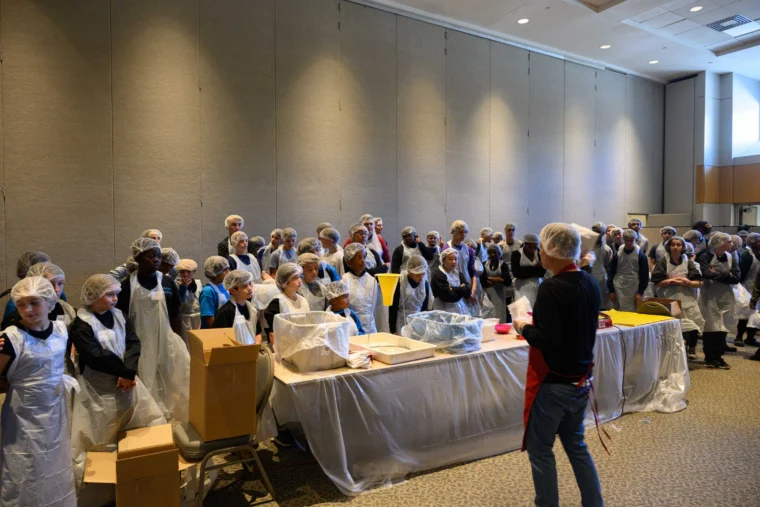
Students engage in meaningful experiences at school and in the community through partnerships and programs related to food preparation, donation collection, environmental stewardship projects, youth organizations, recycling initiatives, and more.
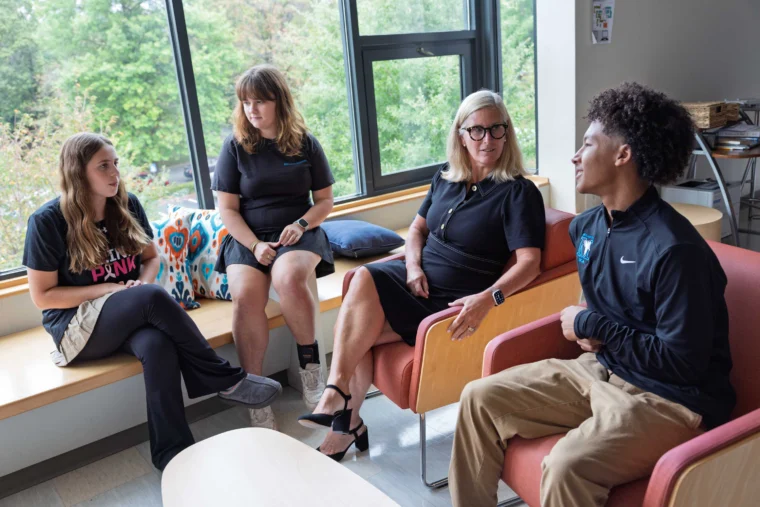
Restorative Practices
Restorative Practices provide a consistent, school-wide framework for building community and navigating conflict with empathy. By building meaningful connections with one another, we establish relationships that help shape our community, classroom expectations, and responses to one another.
Rather than relying on traditional discipline, this structure teaches students how to identify harm or conflict, take genuine accountability, and actively work through the process of repair and restoring. We empower students to advocate for their needs and engage constructively with perspectives different from their own. Students learn to handle discomfort, sustain positive relationships, and thrive in a complex world.
Responsive Classroom
Responsive Classroom is an evidence-based approach to teaching and classroom management that creates a safe, joyful, and engaging community experience.
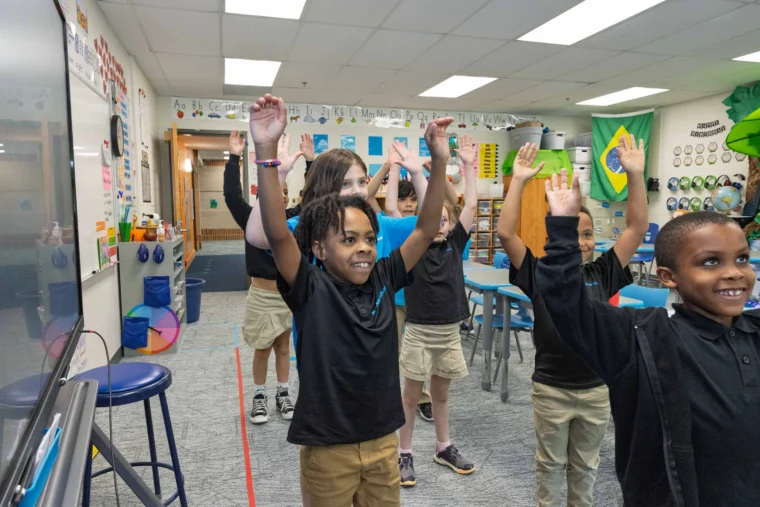
Response Classroom empowers our Lower School teachers with a framework for teaching social-emotional skills. In these early years, our focus is on things like cooperation, assertiveness, responsibility, empathy, and self-control. These practices not only offer students valuable skills for learning but also set the stage for personal lifelong success.
Social-Emotional Learning
It’s not enough for students to survive school; we want them to thrive here. Social-emotional learning is part of a McLean education at every grade level and is built upon the CASEL Framework, an evidence-based approach to social-emotional learning.
In the Lower School, students receive direct instruction on topics such as respecting differences, speaking up, body safety, and identifying emotions.
In the Middle School, students participate in classes such as PRIDE (Positive Interation, Respect & Responsibility, Individual & Community Safety, Decision Making, and Empathy) and Healthy Choices, to build character and skills that reinforce individual, relational, and community responsibility, compassion, and connection.
In the Upper School, students participate in structured programming using Community Matters: A Facing History and Ourselves Approach to Advisory. Community Matters curriculum.
Mindfulness
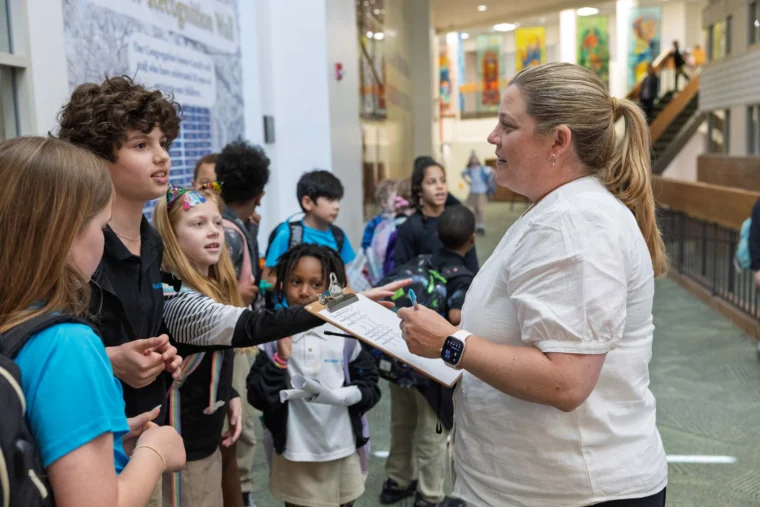
McLean is a national leader and pioneer in mindfulness education. McLean’s book, Mindful School, Mindful Community, is an incredible resource regularly cited by fellow educators. Mindfulness is a scientific and skills-based program proven to calm the nervous system, reduce stress, and increase focus in school and in life. “Notice, shift, rewire” is a common refrain at McLean, but we don’t just talk about it—students are learning and accessing tools every day, from the playing field to test preparation. It’s a practice that helps students tap into who they are and what they need. In the short term, it creates a feeling of “I got this.” In the long term, it develops competence, strength, and resilience.
CORE
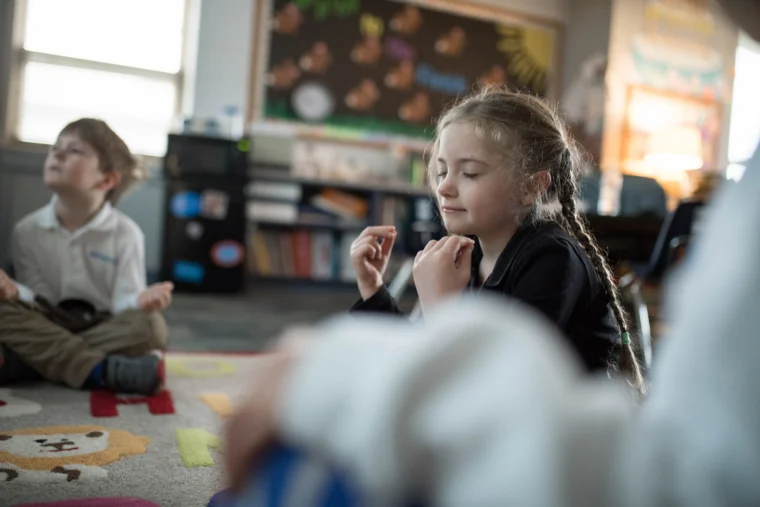
The CORE Clubs Program meets weekly and offers Upper School students a chance to explore their interests, develop leadership ability, build community, and strengthen communication and executive functioning skills in a supportive, collaborative environment. Clubs are student-organized and student-led, with guidance from faculty advisors.
During this time block, students may also choose to participate in affinity groups, mini-courses led by faculty, or college counseling sessions.
Digital Citizenship
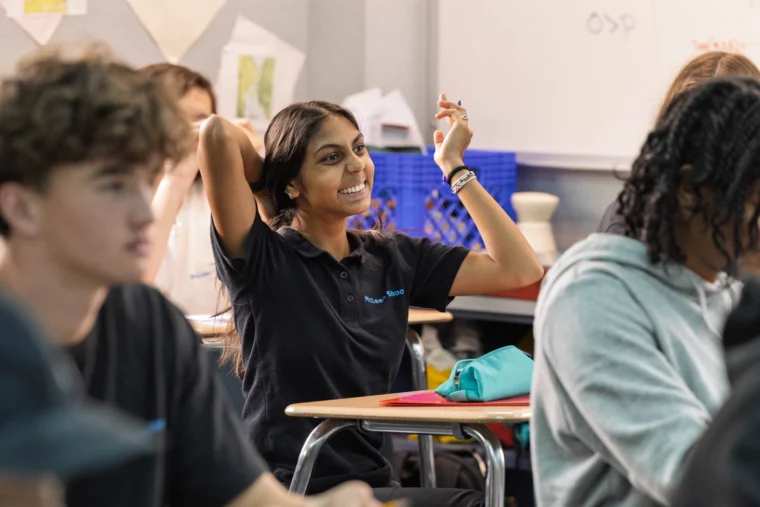
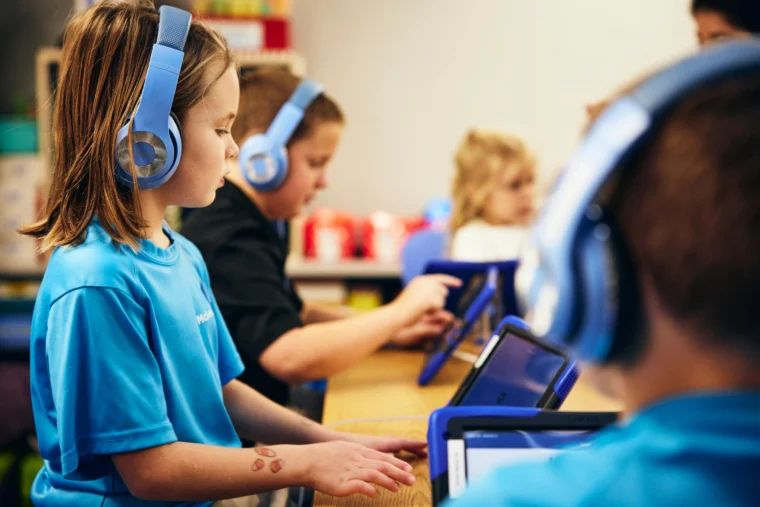
We educate our students for the world they live in today and the one they will inhabit in the future. To keep pace with progress, we are focused on issues of choices, implications, and opportunities in the digital age. Digital citizenship includes awareness of online bullying, cyber security, plagiarism, internet addiction, and digital footprint. From kindergarten through high school, we provide students with age-appropriate tools and understanding to be safe, informed, and respectful users of social media, the internet, and Artificial Intelligence.
Dive Deeper
Discover the McLean Experience
It’s critically important for a child to be in a school that respects them for who they are, and supports their academic strengths and challenges. This has always been true for McLean.