Suspect Dyslexia? Early Intervention is Key
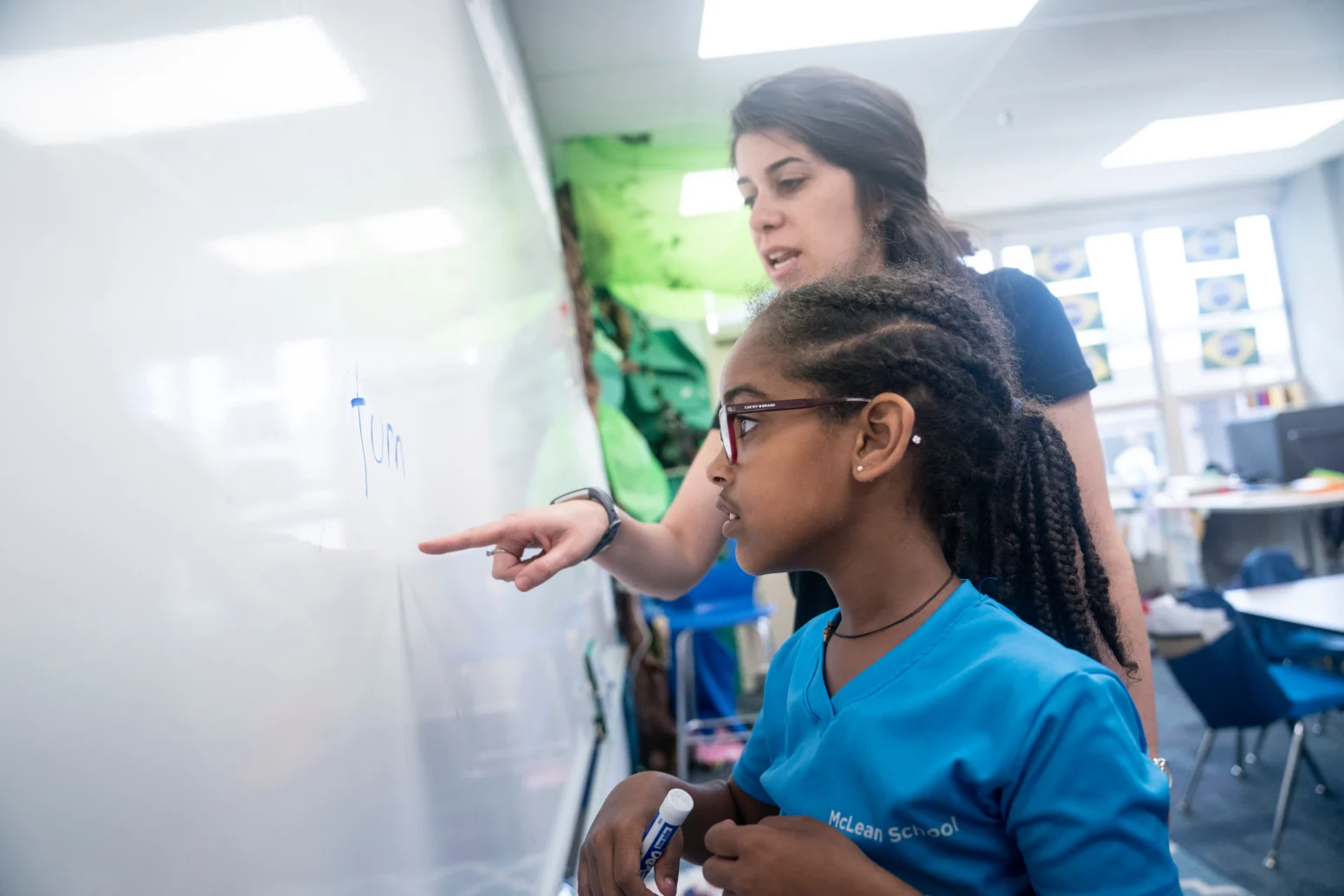
Dyslexia is a language-based learning disability that affects reading, writing, and spelling. It has nothing to do with intelligence, or desire to learn. But in an educational system that relies so heavily on those skills, a child with dyslexia is likely to struggle – making early intervention and specialized instruction key.
What Are Some Early Signs of Dyslexia?
Early signs of dyslexia include the following:
- Delayed speech can sometimes be an indicator, but even more so is how your child manipulates sounds. Your child may have trouble pronouncing longer words, saying “emeny” for “enemy.”
- Can they associate letters of the alphabet with the sounds they make?
- Are they able to blend sounds together easily?
- Rhyme?
- Have you noticed problems with recall, such as naming colors or days of the week?
Some testers may hesitate to give a diagnosis before third grade but by then children with dyslexia may already be struggling with confidence, self-esteem, or anxiety. They may also be developing avoidance habits like leaving the classroom during reading time to use the bathroom or visiting the nurse.
Why Early Intervention is Critical
Because dyslexia is most often tied to reading, challenges usually become more apparent in the early stages of Lower School like kindergarten and first grade. If you suspect an issue, early intervention is critically important. Here are two important questions to ask:
- First, find out what the teachers are noticing, do they share your concerns?
- And if so, what research-based interventions do they have in place to support students?
Unfortunately, not all schools are created equal when it comes to dealing with dyslexia. In the early elementary school grades, in larger classes of 25 students or more, it can be hard to pick up on some of these subtle signs. In addition, not all schools emphasize phonological awareness, a focus on sounds and the ability to manipulate them auditorily. This is a critical foundational skill necessary for reading progress that, if absent from a student’s education, will cause reading and their dyslexia to be a challenge through middle school and beyond.
McLean School Supports and Celebrates Students with Dyslexia
Lastly but most importantly, dyslexia is a learning challenge but also very often a source of tremendous creative ability. Many people with dyslexia excel at art or engineering thanks to enhanced spatial awareness and a 3D way of seeing things that can make reading so hard. An ability to recognize patterns or see something from a different point of view often makes people with dyslexia good problem solvers and out-of-the-box thinkers. At McLean, we understand our students with dyslexia and know how to support them – but above all, we understand our students’ abilities, and how to celebrate them.
– Abby Himmelrich, Lower School Reading Specialist