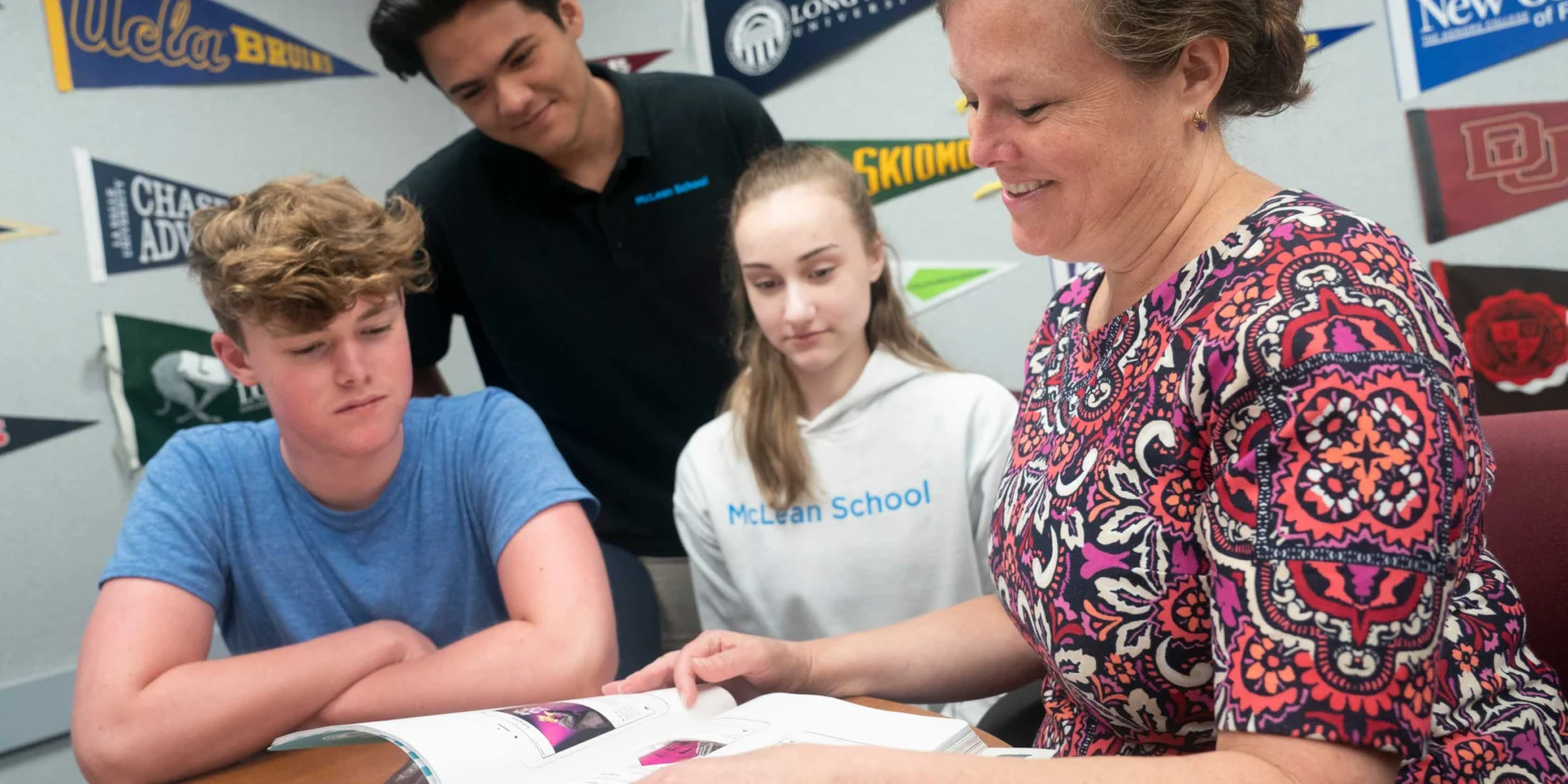
Embedded Classroom Support
Dyslexia & Reading Challenges
When students with dyslexia struggle at school, it’s not because they aren’t bright and capable. Instead, it’s because they aren’t receiving adequate, systematic, structured literacy lessons based on the Science of Reading. This approach ensures students learn to read proficiently.
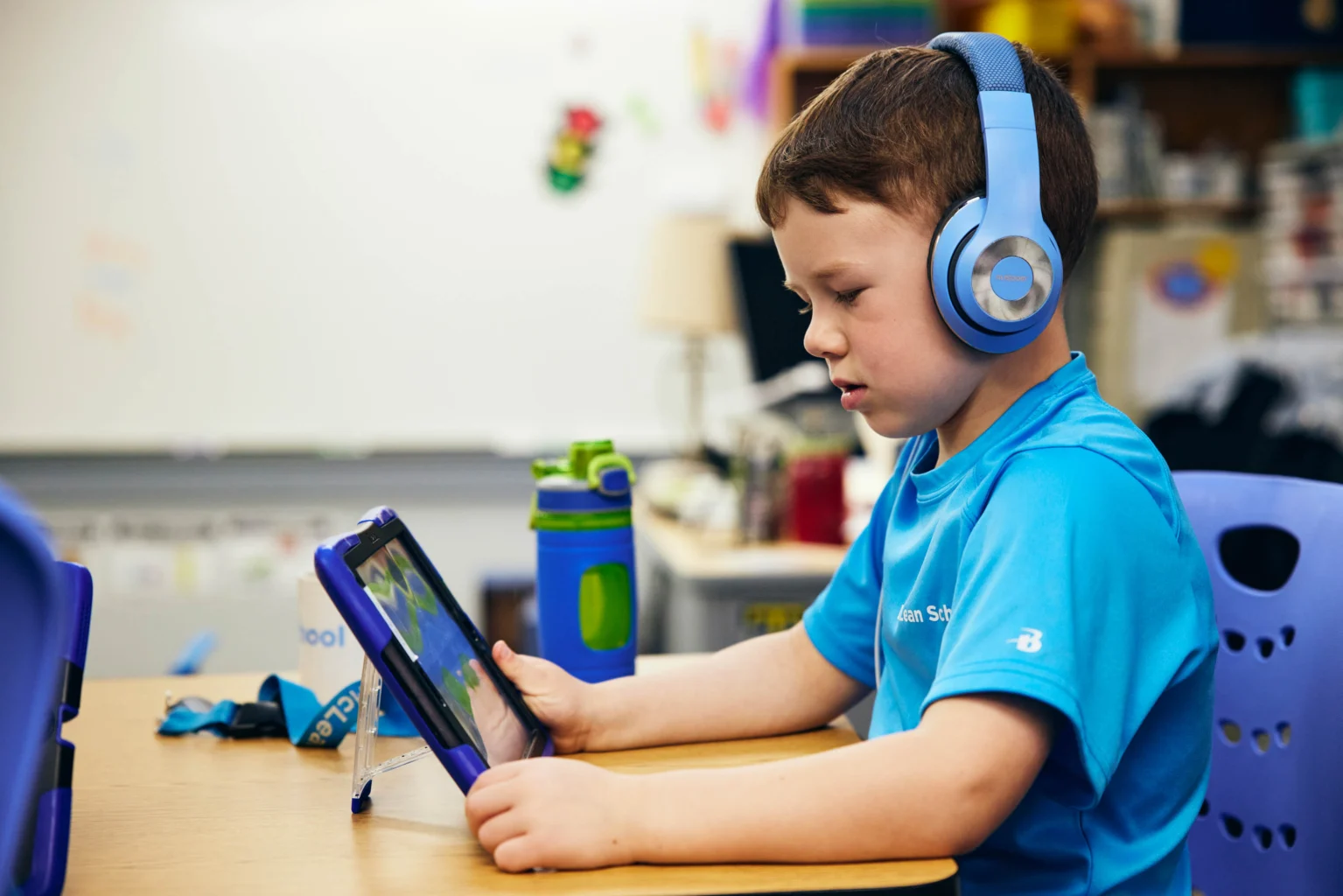
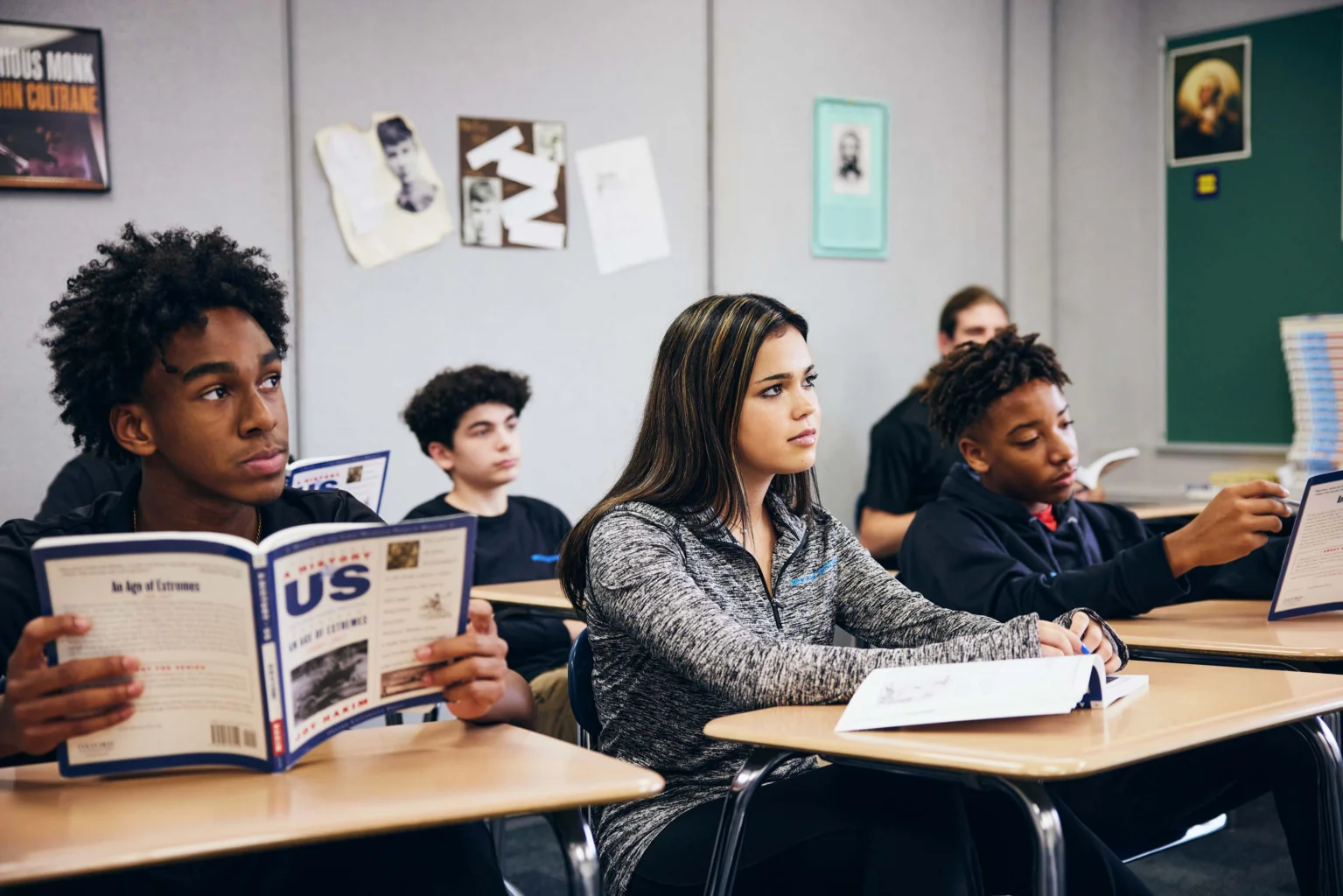

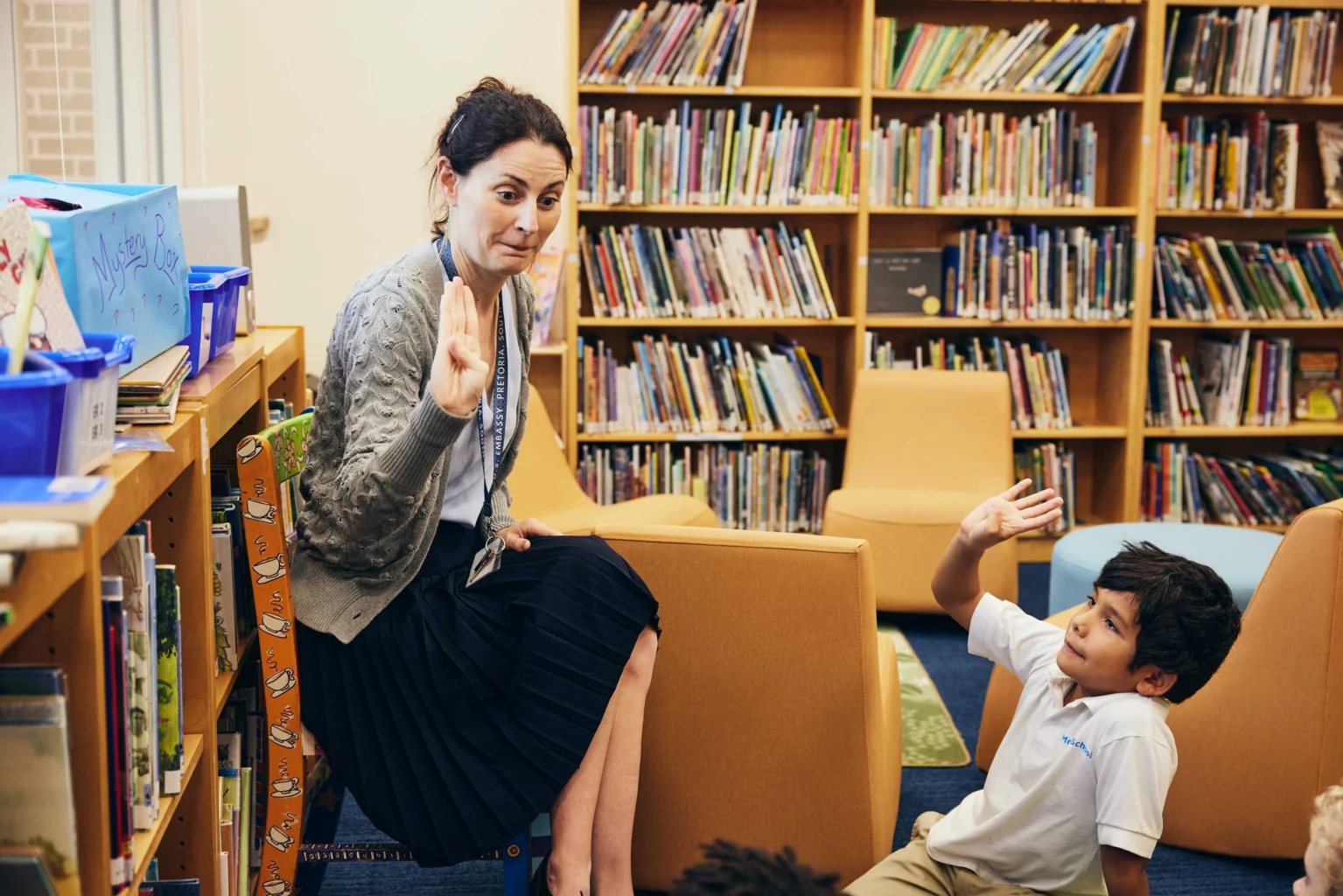
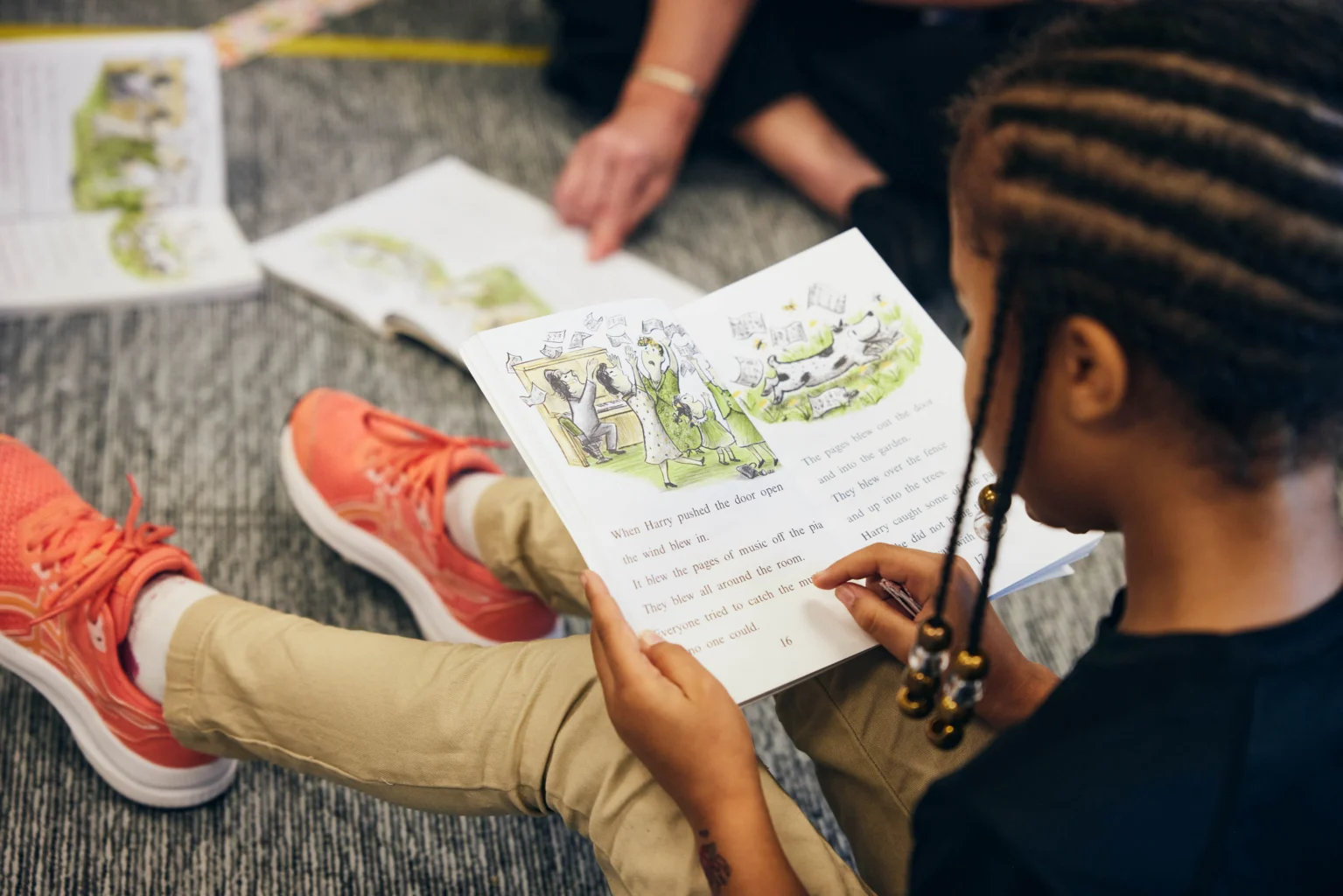
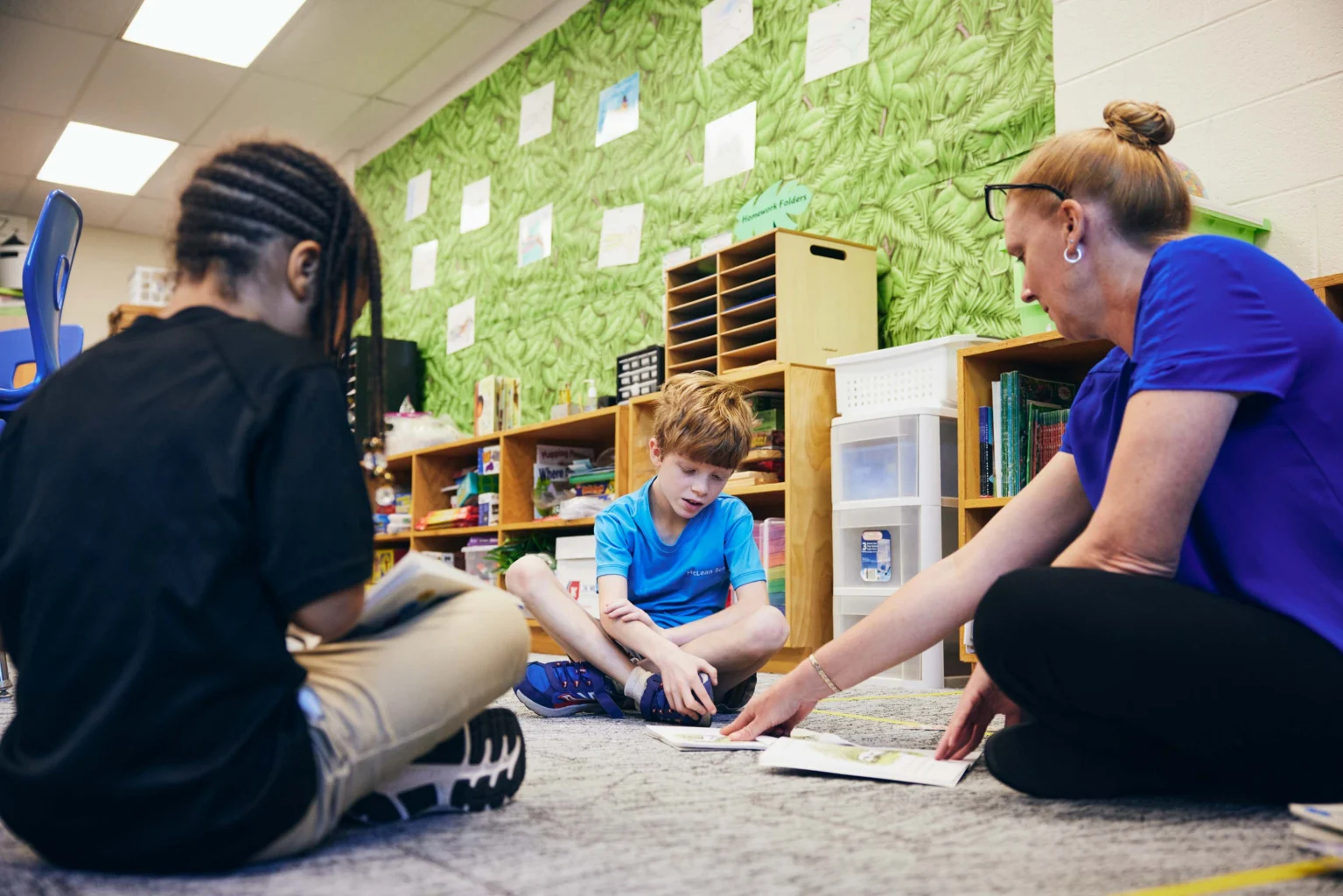
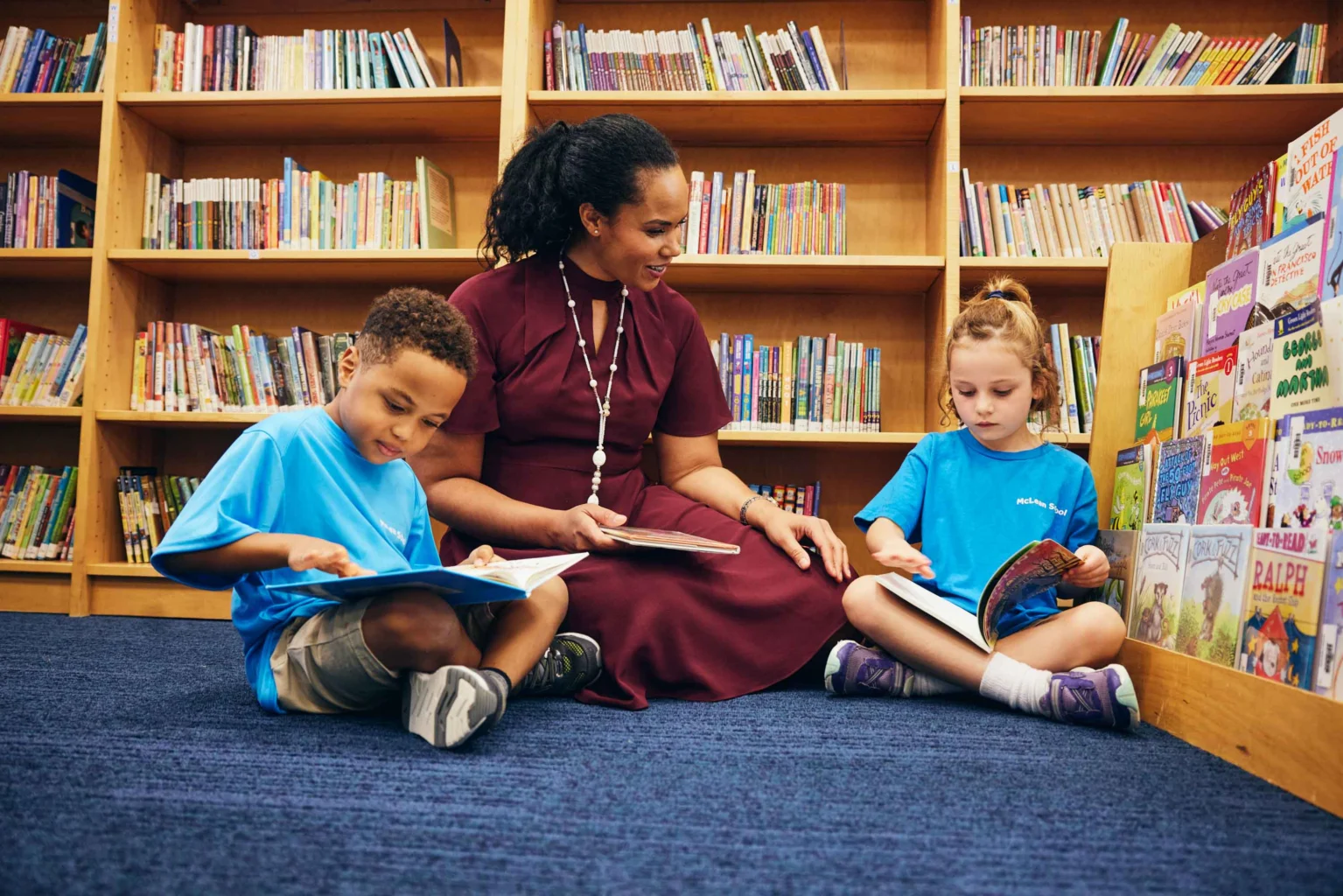
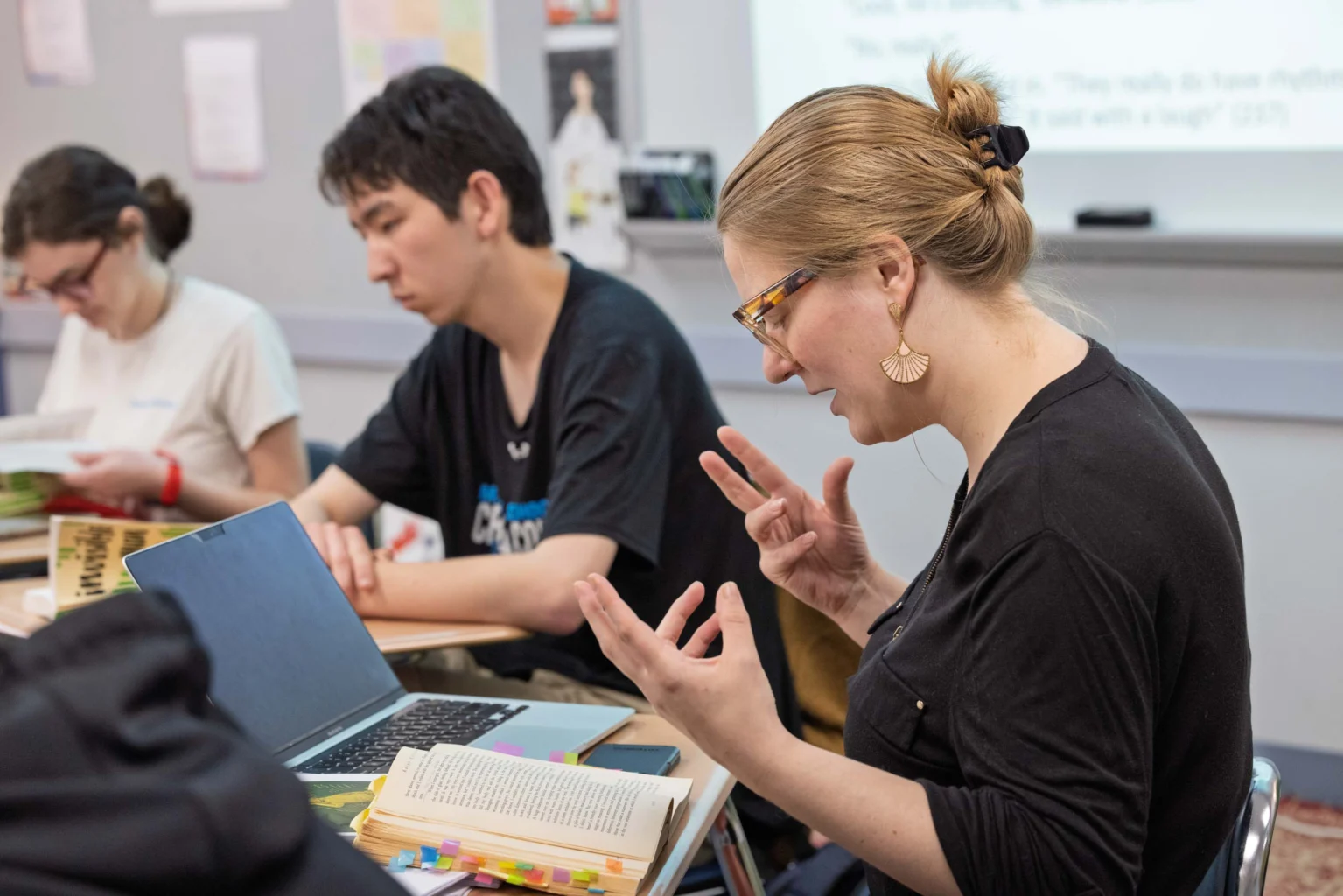
Embedded Classroom Support for Students with Dyslexia & Reading Challenges
Early Screening & Monitoring
Evidence-based assessments, such as Acadience Reading Screeners, ensure timely support, track growth, and inform instruction at every step. Early intervention ensures student success.
Structured Literacy Program
Using a research-based approach, students learn all components of reading and writing through systematic, explicit, and cumulative instruction. This approach benefits all students, and particularly those with dyslexia.
Direct Phonics Instruction
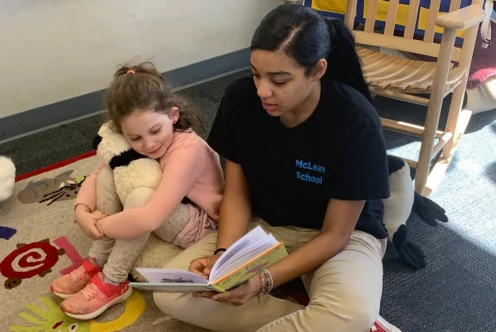
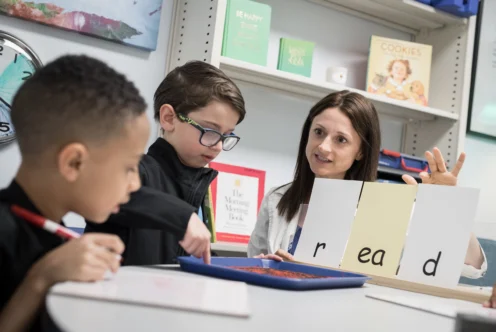
Students progress through an Orton-Gillingham scope and sequence to master phonemic awareness skills, sound-symbol correspondence, and decoding and encoding of single and multisyllabic words. As students learn these skills, they read and spell words, sentences, and extended text. Instruction utilizes routines and games to keep students motivated and engaged.
Fluency & Comprehension Strategies
Using evidence-based routines, students practice fluency at the word, sentence, and passage level. Fluency practice helps our students connect their phonics knowledge to deeper comprehension.
Comprehension is targeted through themes and genres, exposing students to both fiction and nonfiction texts to build knowledge and expand vocabulary.
Tailored, Small Group Instruction
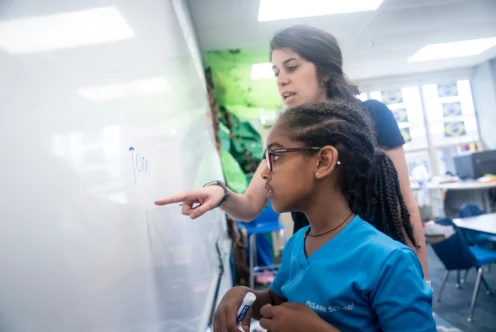
Students are grouped by skill level for structured lessons and personalized support. Separate reading and writing classes from kindergarten through grade 12 ensure that students receive targeted, explicit instruction in both reading and writing. In grades 9-12 options for targeted small group work for Literacy support exist as needed, along with separate English and literature classes.
Trained, Committed Educators
All kindergarten through grade 6 homeroom teachers and grades 7 and 8 literature teachers receive training in Structured Literacy. All McLean faculty are committed to supporting all students.
Collaborative Teaching Model
Classroom teachers, Reading Specialists, and the K-12 Literacy Coordinator work together closely to ensure that each student’s literacy needs are met. Through regular planning, shared strategies, and ongoing communication, this team creates a coordinated approach.
Assistive Technology & Accommodations
Tools, when needed, such as adult readers, Learning Ally, text-to-speech, and note-taking support, ensure that all students fully access the curriculum. Supportive accommodations would be outlined in the McLean Learning Profile℠, and, if needed for high-stakes testing and college admissions, an Academic Achievement Plan in grades 9-12
What Reading Success Looks Like
Our assessments show that over 80% of students are at or above benchmarks in reading by the end of grade 8. Students experience growth in:
- foundational reading skills
- strategies to decode and encode multisyllabic words
- reading fluency
- comprehension strategies
- breadth and depth of vocabulary knowledge
Along with this comes improved confidence, independence, and academic engagement!

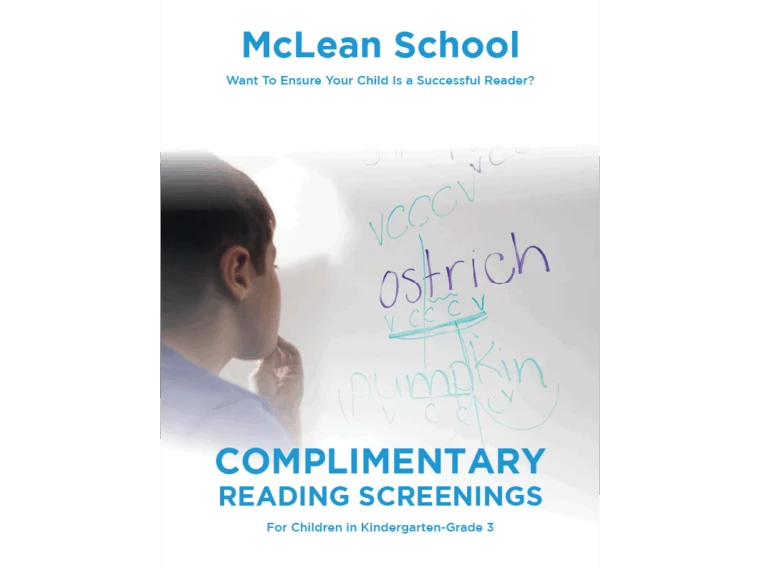
Complimentary Reading Screenings
Early intervention is essential. It takes four times as long to bring a struggling grade 4 student up to grade level in reading as it does for a kindergarten student.
If you’re concerned about your child’s reading progress, McLean School offers complimentary Acadience Reading Screenings throughout the year for children in kindergarten through grade 3.
Structured vs. Balanced Literacy: Why It Matters When Learning to Decode
Suspect Dyslexia? Early Intervention is Key
How Do Students Learn to Read?
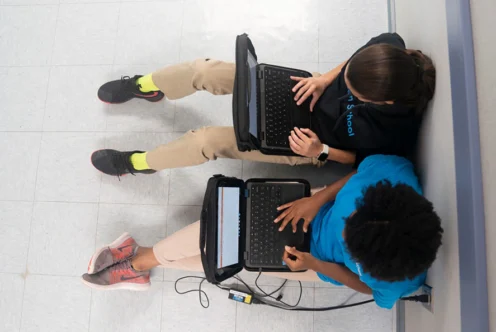
Overcoming Dyslexia with Assistive Technology
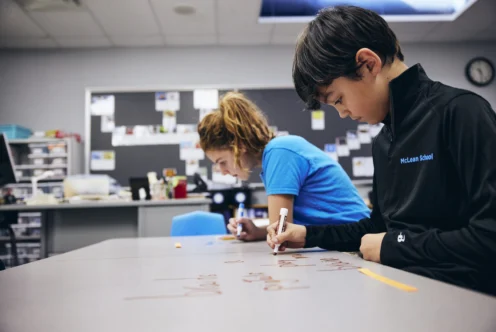
The Science of Reading: What It Is and Why It Matters
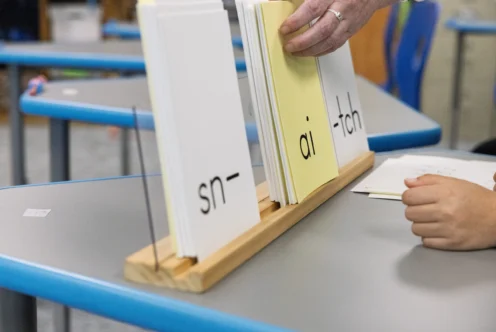
7 Elements of Structured Literacy
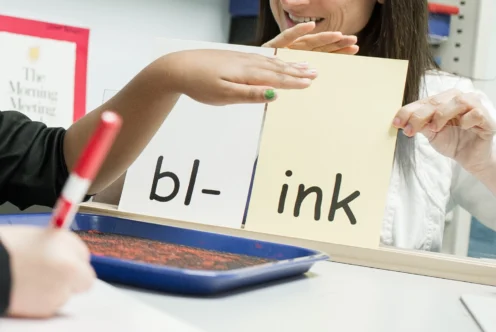
Dyslexia: Common Myths and Misconceptions
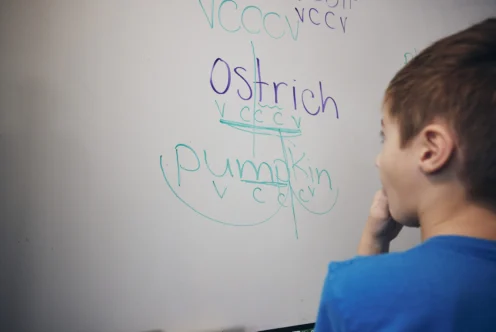
Orton Gillingham: Beneficial for All but Vital for Some
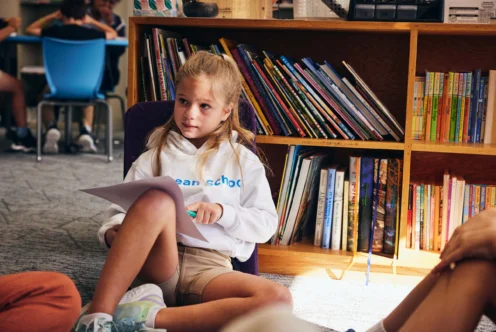
Individual Reading and Writing Class Periods: The building blocks for literacy success
Dive Deeper

Discover the McLean Experience
It’s critically important for a child to be in a school that respects them for who they are, and supports their academic strengths and challenges. This has always been true for McLean.