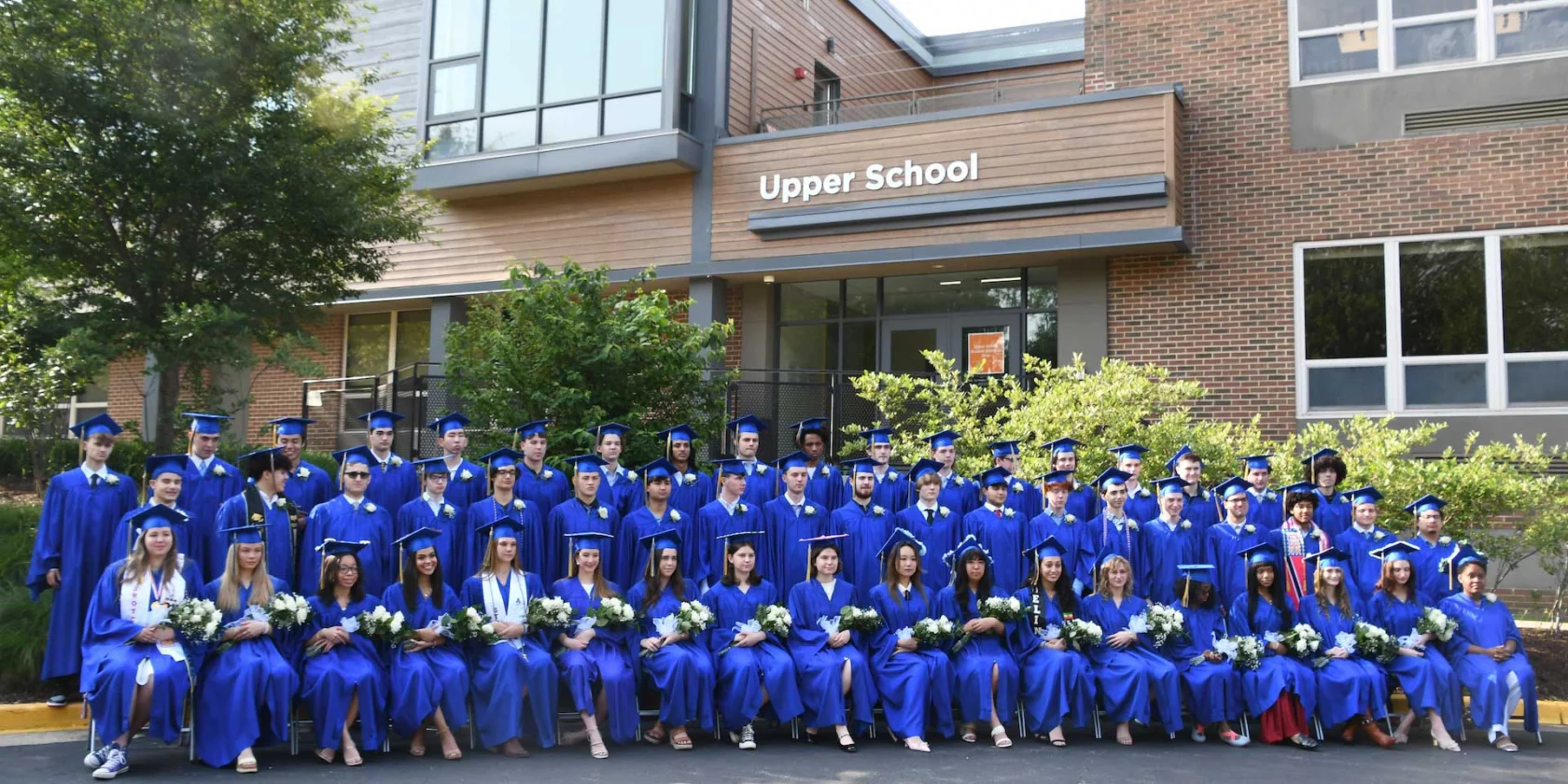
The McLean Method
Embedded Classroom Support
The content of what we teach isn’t simplified here… but the process of how we teach it is. We believe in our college preparatory model, which emphazises small classes, differentated instruction, and most importantly “can” rather than “cannot”. And that’s what enables our bright students to really shine. Simpy put, it’s a better way of doing school.
Teaching the Way Students Learn
At McLean we don’t define students by their challenges – but we absolutely know how to support them. Our Abilities Model® is the “why” of our education approach. Take a deeper look into the “how” we transform the lives of our students.
Learn more about our best practices, effective accommodations, and teaching approaches we use to support all students.
Ever Evolving Practices
Our commitment to research and evidence-based best practices, along with ongoing professional development, allows teachers to innovate in exciting and effective ways.
Smaller Class Sizes
Low teacher-student ratios in all classes create intimate learning environments and enable plenty of teacher-student interaction while providing valuable opportunities for peer-to-peer connection.
Every Teacher is a Specialist
All teachers focus on routines, scaffolding, previewing to create clear expectations and a supportive space for students to build the skills, strategies, and independence they need to excel in school, college, and beyond.
Coordinator of Learning Services
A key differentiator from other area independent schools is that we do not employ the traditional ‘learning specialist’ that requires students to be pulled out from their classroom. Rather a Coordinator of Learning Services in each division works seamlessly with students, teachers, and parents, to ensure each student’s needs are met.
VOICES OF McLEAN
Dyslexia & Reading Challenges
When students with dyslexia struggle at school, it’s not because they aren’t bright and capable. Instead, it’s because the school fails to leverage their innate strengths and abilities and provide systematic, structured literacy lessons based on the Science of Reading that ensure students learn to read proficiently.
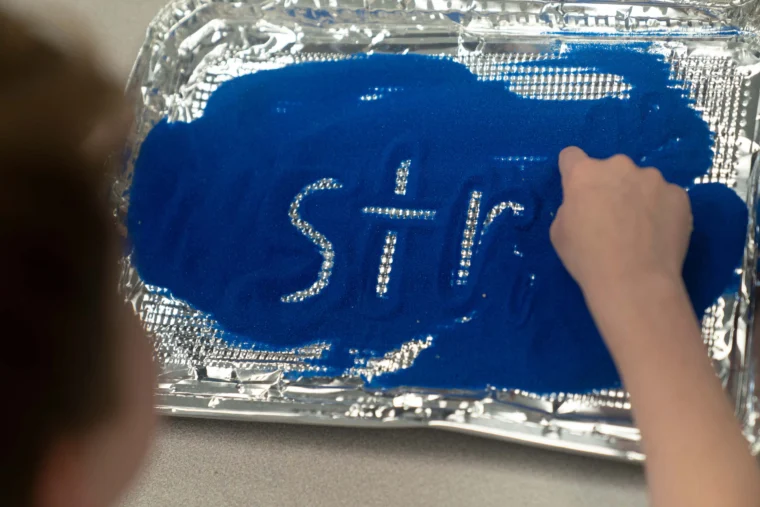
ADHD
Students with ADHD have difficulty regulating attention, which can make school especially challenging. At McLean School, we not only accept that students with ADHD have unique and brilliant minds, but we also appreciate them for it.
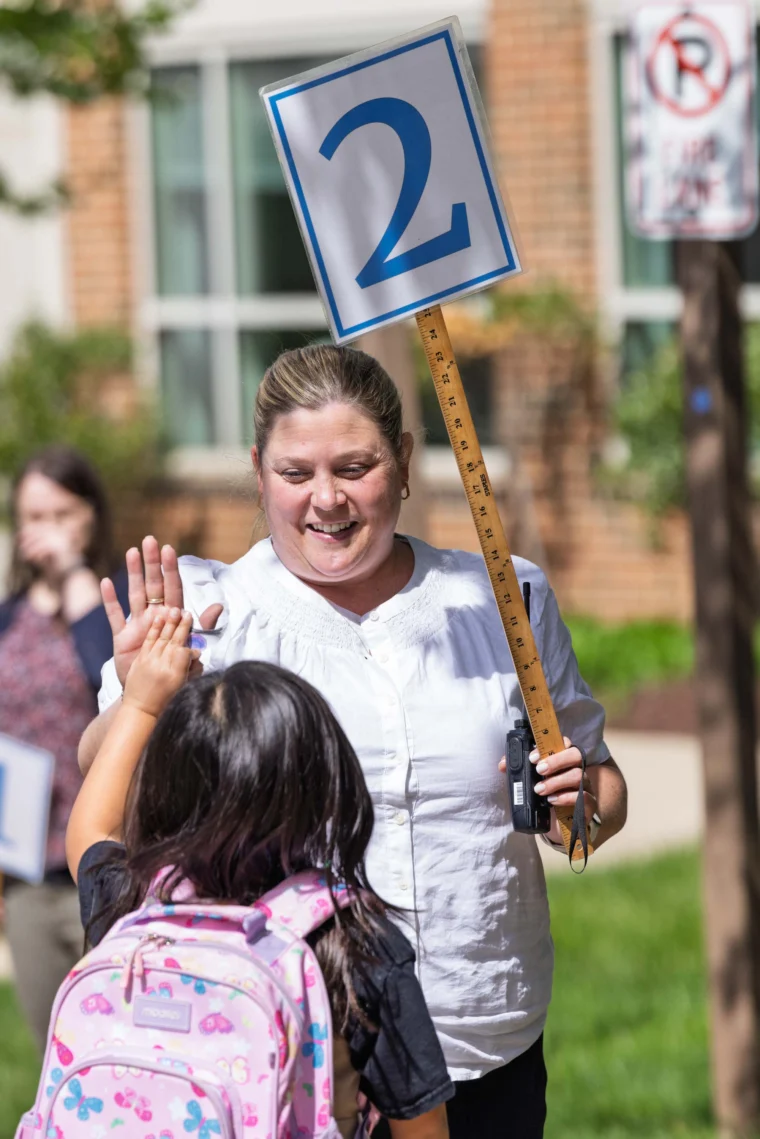
Executive Functioning Challenges
Before coming to McLean, many of our students got easily overwhelmed and struggled in planning, organizing, and completing tasks in a timely fashion. At one time they may have been labeled as uncooperative or even lazy, when the reality is they weren’t given the strategies and their brains haven’t yet developed the ability to consistently and reliably connect the dots.
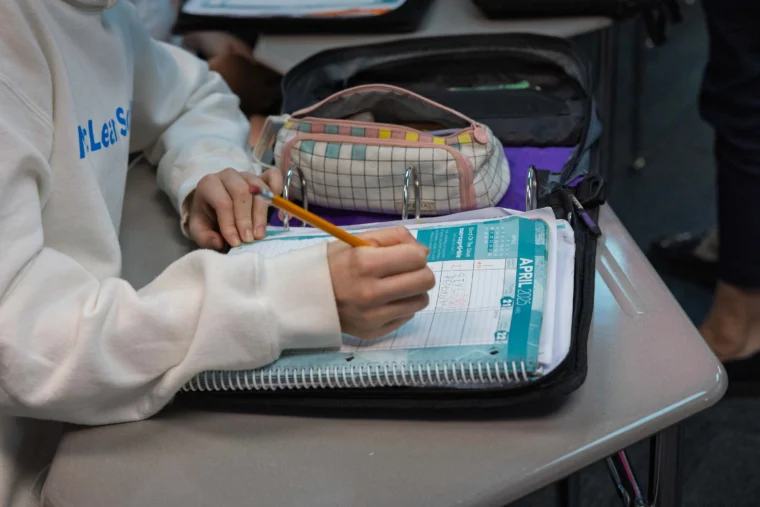
Dysgraphia
Students with dysgraphia or other writing challenges often have bright ideas but struggle to get them on paper. At McLean, we build the skills, confidence, and strategies that help every student express their thinking with clarity and creativity.

Dyscalculia
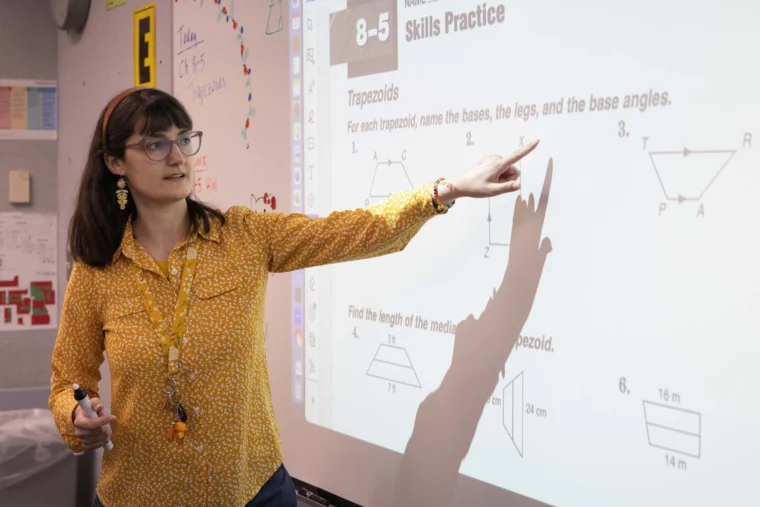
Lots of things can make math hard for some students including dyslexia and ADHD, dyscalculia, visual processing challenges, or even math anxiety. Students with math challenges tend to have strong skills in words and language, and are often highly creative.
Academic Performance Anxiety
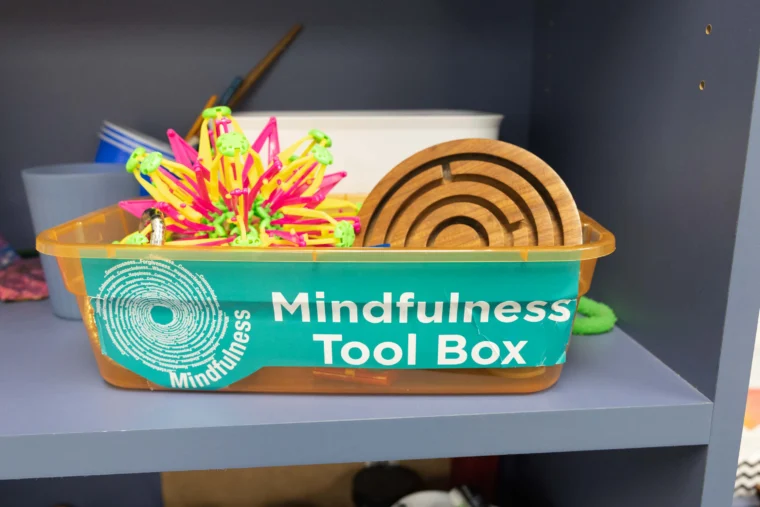
To a point, anxiety can be a positive trait, enabling us to focus and respond. But when anxiety impacts learning, we know that it calls for empathy and understanding.
Discover the McLean Experience
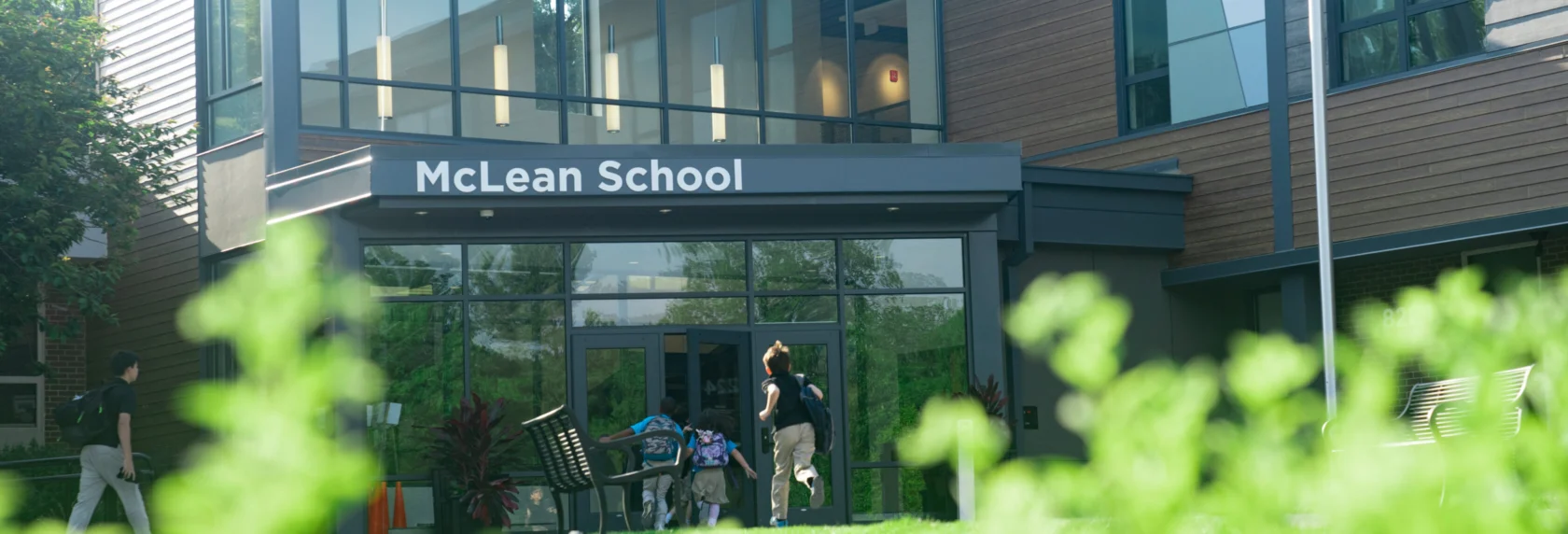
It’s critically important for a child to be in a school that respects them for who they are, and supports their academic strengths and challenges. This has always been true for McLean.