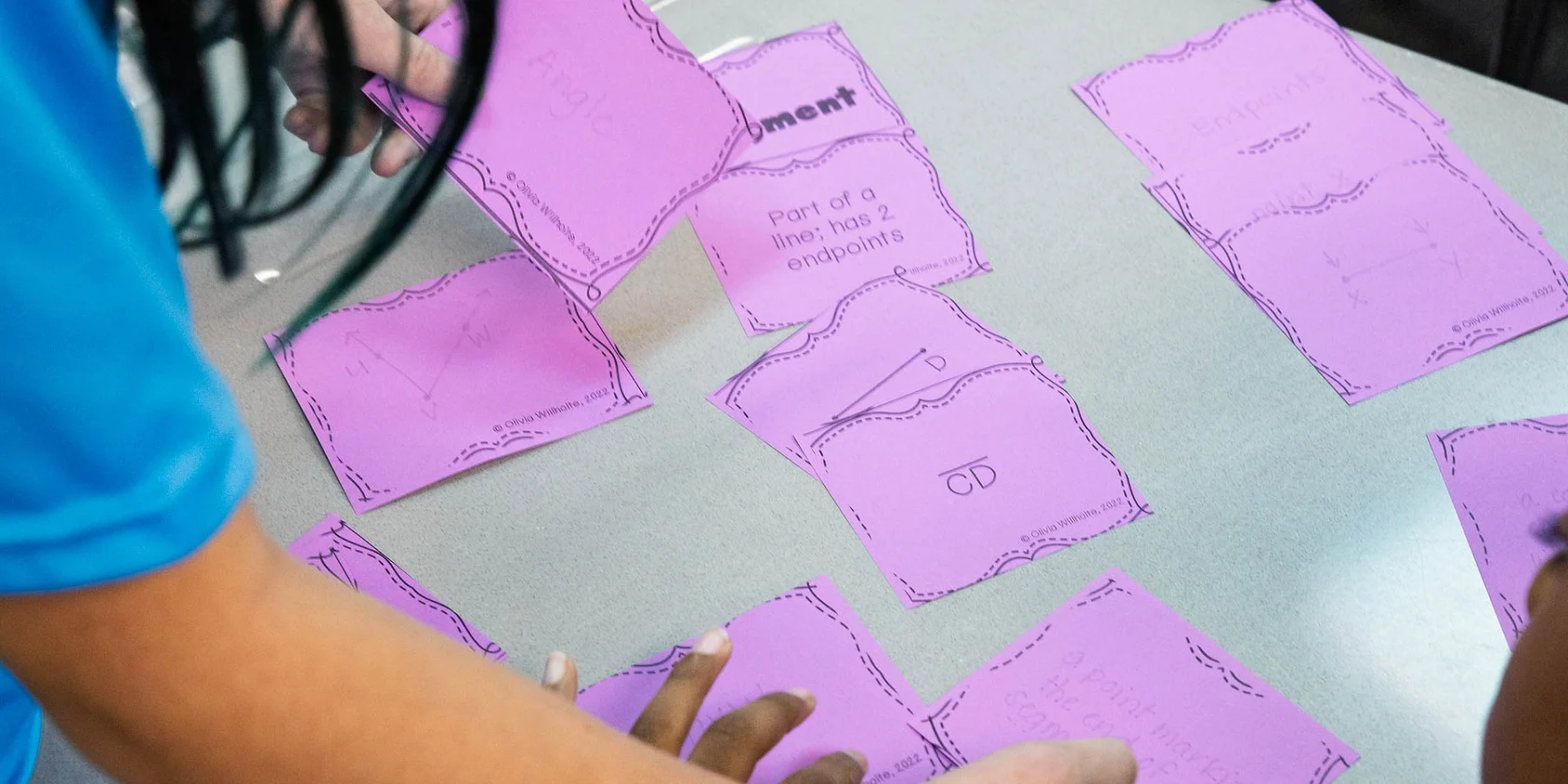
Embedded Classroom Support
Dysgraphia & Writing Challenges
Students with dysgraphia or other writing challenges often have bright ideas but struggle to get them on paper. At McLean, we build the skills, confidence, and strategies that help every student express their thinking with clarity and creativity.


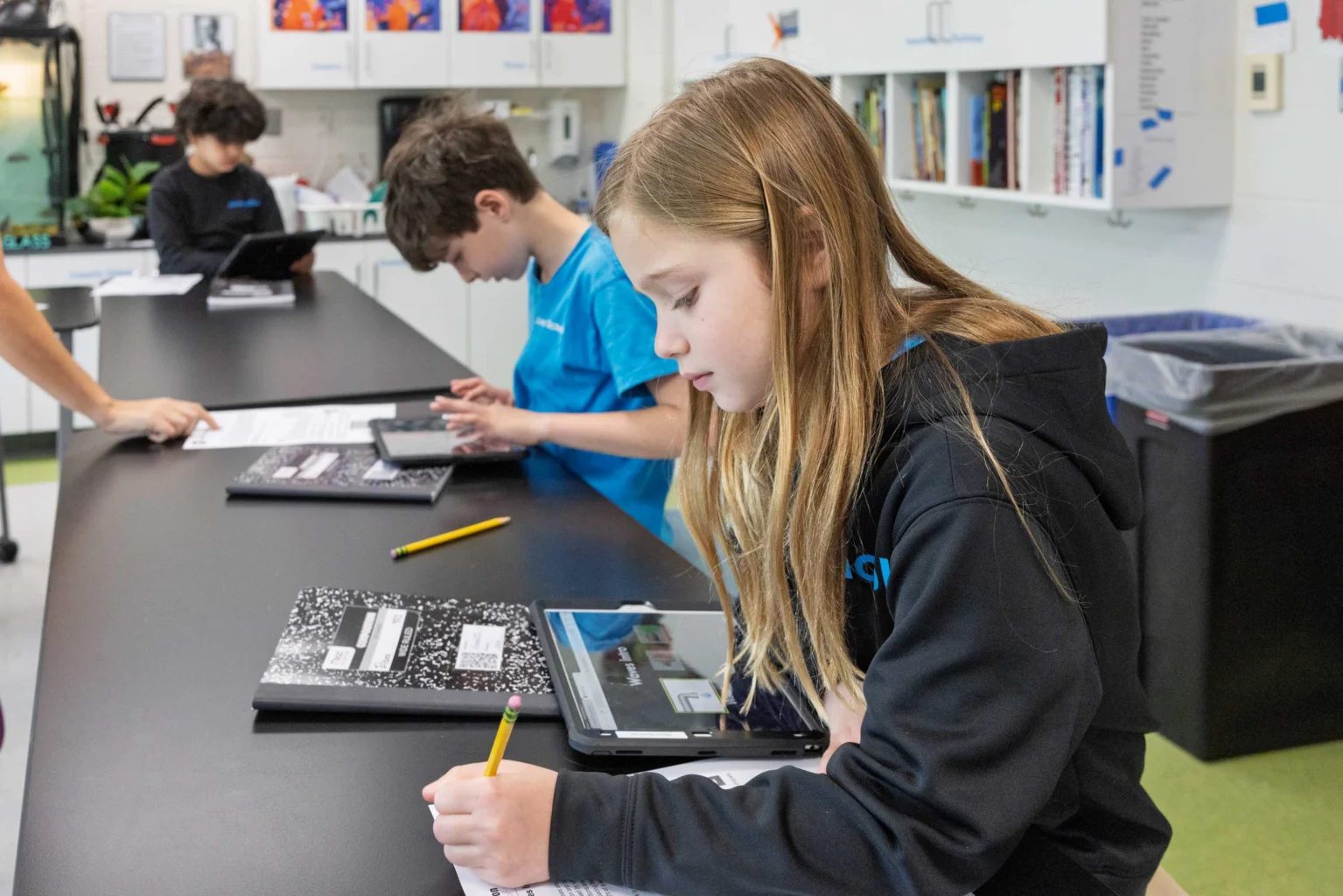
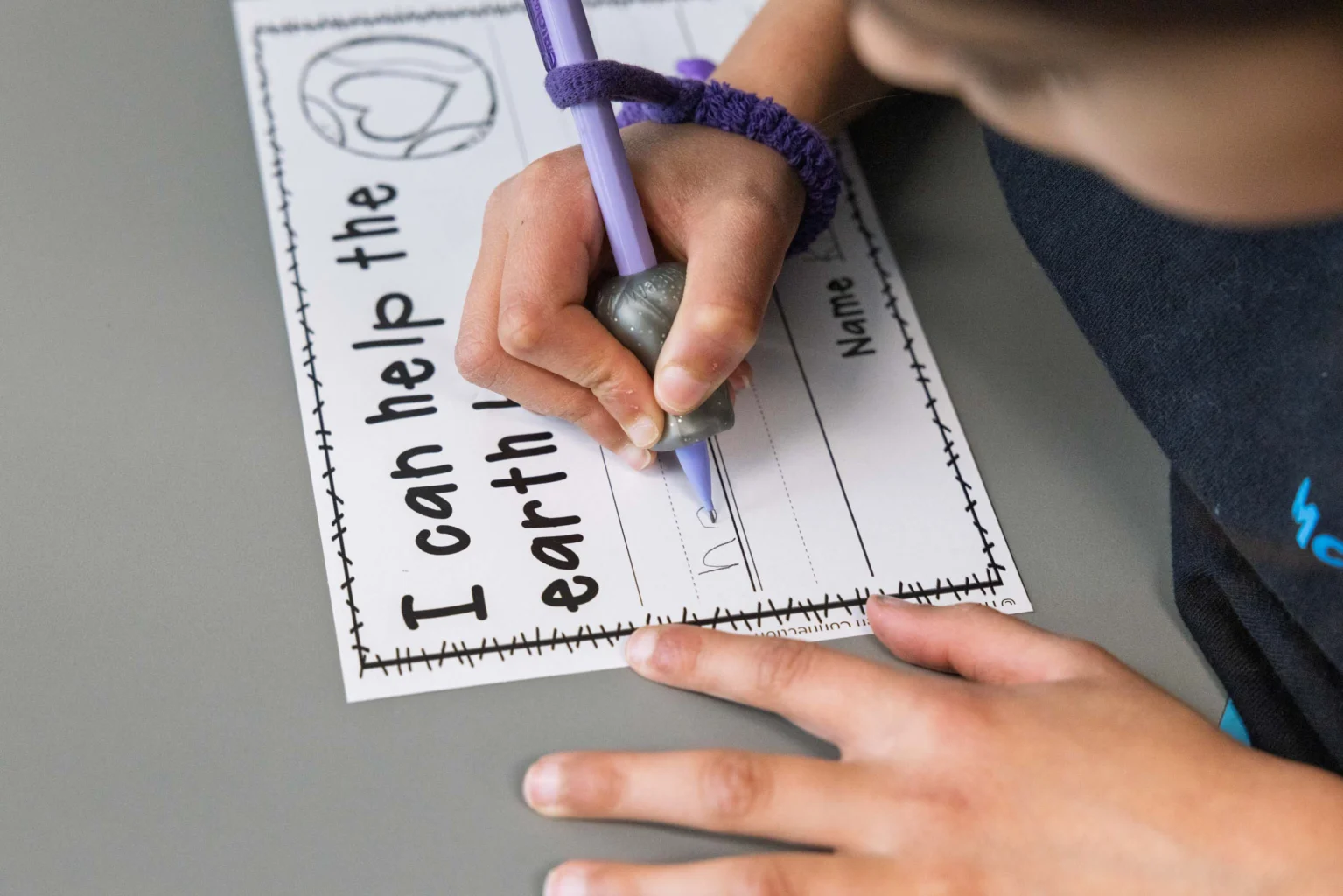
How We Support Every Student to Become a Confident Writer
Dedicated Writing Instruction
Handwriting and written expression are taught as distinct subjects (K-4), with separate English (writing) and literature (reading) classes from grades 5-12.
Ongoing Teacher Guidance
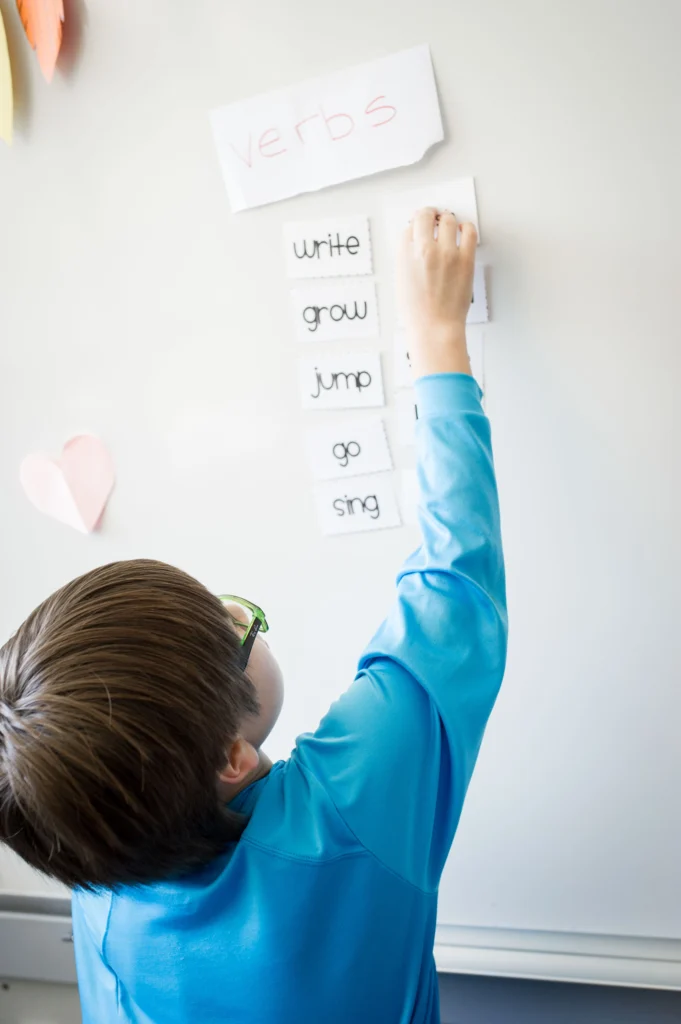
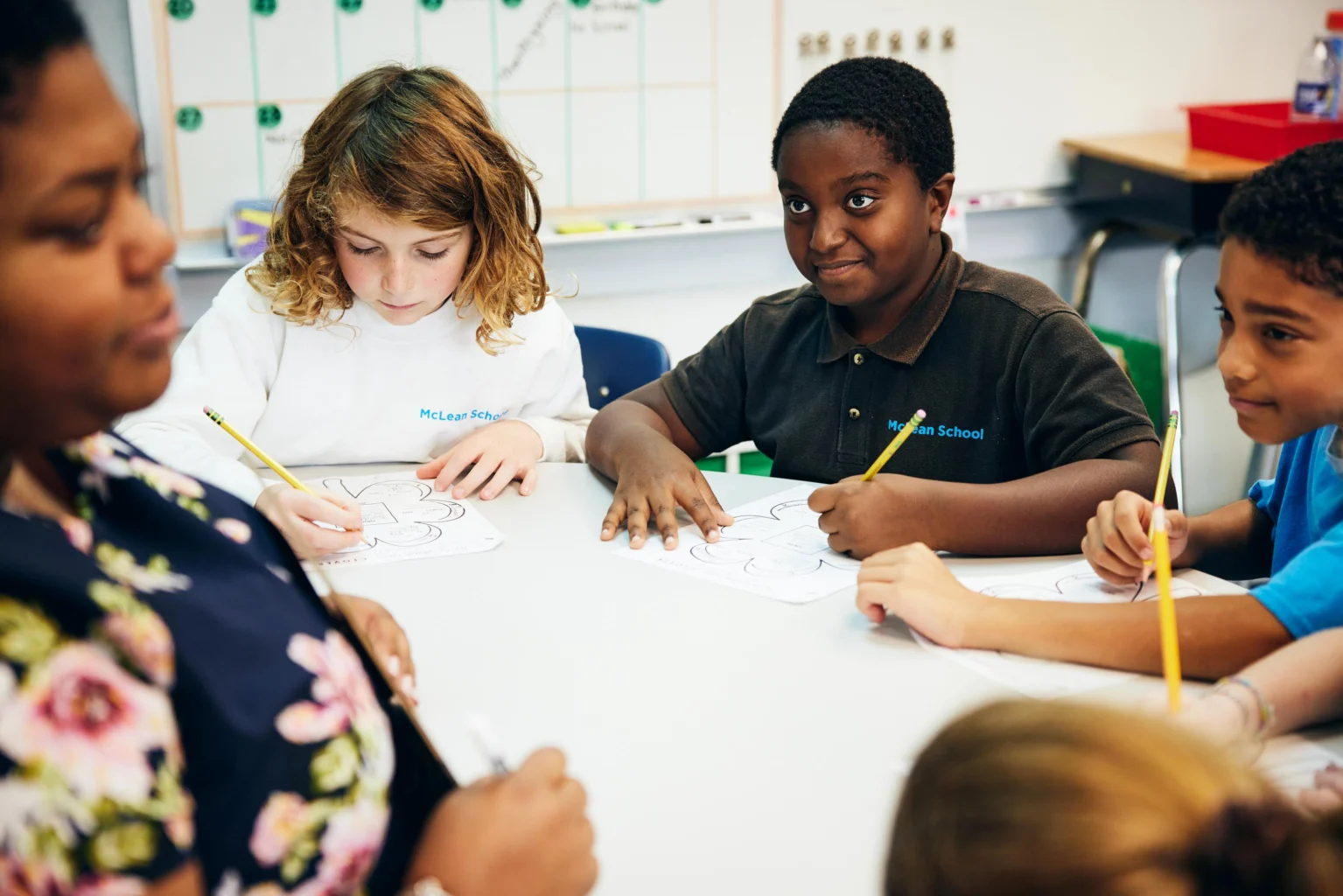
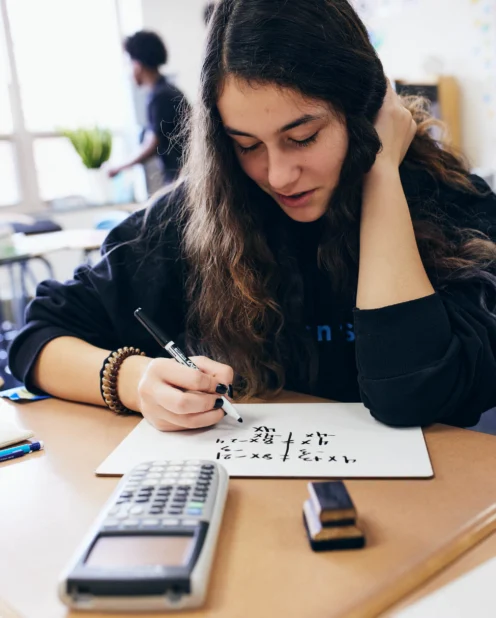
Teachers guide students through brainstorming, planning, and revising their work. Through regular check-ins, idea development, and feedback, teachers help students bring their creativity and thinking to the page with confidence.
Integration Across Subjects
Writing is reinforced across the curriculum, allowing students to practice and apply skills in science, social studies, and other content areas, strengthening both written expression and critical thinking.
Creative Expression Encouraged
Students are encouraged to experiment with different genres, styles, and formats, fostering originality, curiosity, and a love for writing.
Holistic Support
Our Occupational Therapists (K-8), Speech Language Pathologists (K-8), and Coordinators of Learning Services (K-12) partner with teachers to ensure each student’s unique learning profile is understood and supported from the start.
Technology that Opens Doors
Speech-to-text, graphic organizers, and digital tools help students focus on creativity and content—not the mechanics of writing. Keyboarding instruction begins in grade 3, giving students practical tools to express their ideas with ease.
Consistent Frameworks
A research-based writing curriculum provides structure, scaffolding, and predictable routines that help students grow into confident writers.
Celebrating Growth & Achievement
Regular opportunities to share writing—through classroom presentations, school publications, or portfolios—help students see their progress, build confidence, and take pride in their work.
When a Student Has a Story To Tell, But a Hard Time Writing It
Dysgraphia can make handwriting, spelling, and organizing thoughts a real challenge—but it doesn’t stop a child from being creative and brilliant. We combine specialized instruction, assistive technology, and embedded classroom support to help students express their ideas with confidence.
Dive Deeper
Discover the McLean Experience
It’s critically important for a child to be in a school that respects them for who they are, and supports their academic strengths and challenges. This has always been true for McLean.